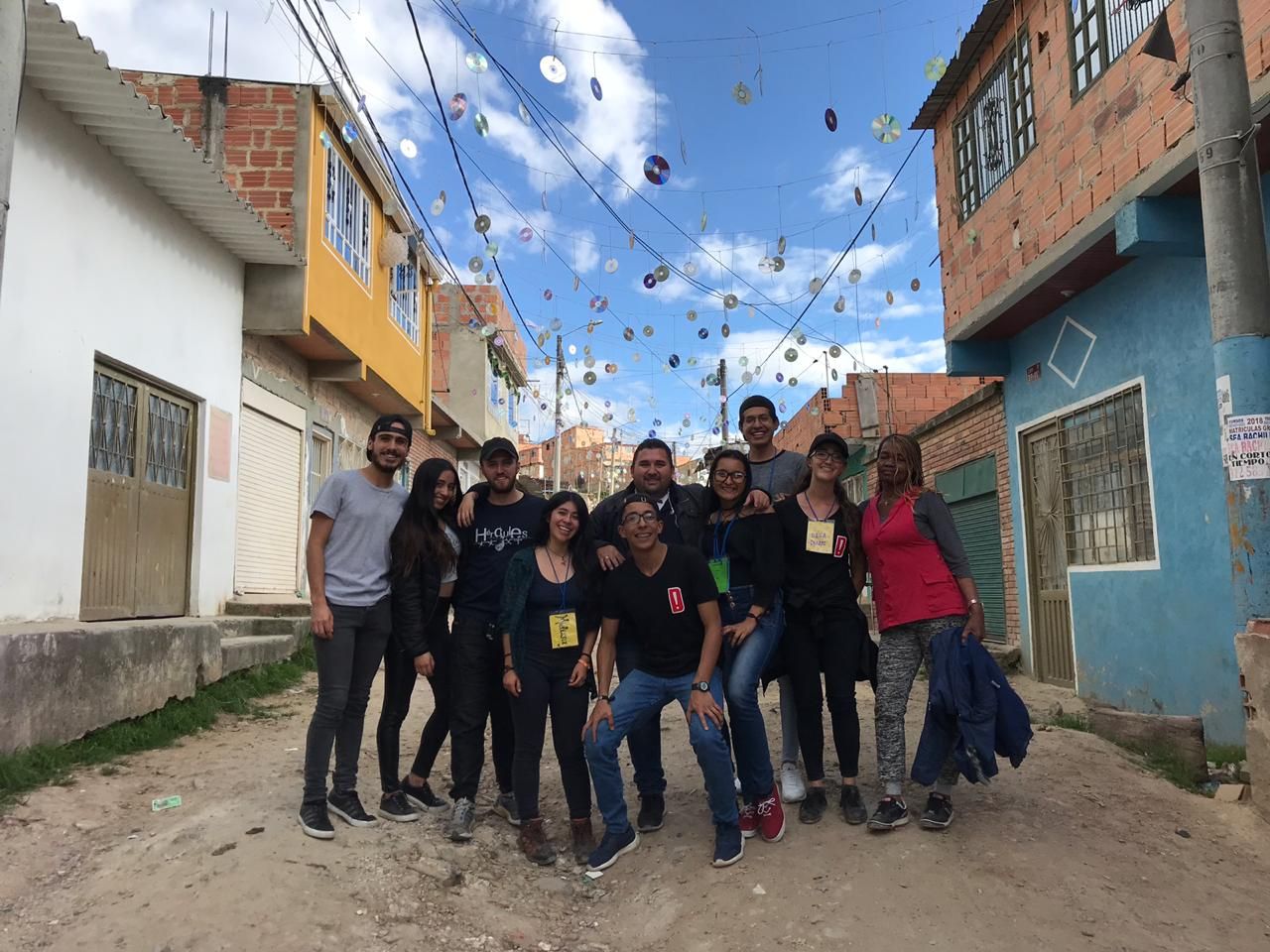
I had the good fortune to spend almost a full week in Altos de Cazucá as a missionary from the 10th to the 15th of this December, which is now coming to an end. My experience was by no means unpleasant, despite how stigmatized the place is.
Part of Cazucá is located in Commune 4 of the municipality of Soacha, while a large part belongs to the Ciudad Bolívar district of Bogotá. The residents there have access to only a precarious water supply; there is no sewer system or hospitals, the roads are not entirely paved, and small-scale drug dealing and prostitution are visible in broad daylight. In other words, the residents’ daily lives are governed by the law of the jungle because the police presence is sporadic.
The word “Cazucá” comes from the name originally given to the place, “cazucha,” because the first dwellings built there were literally made of tin, cardboard, or any material that could provide some shelter from the elements, which are felt most fiercely at that elevation.
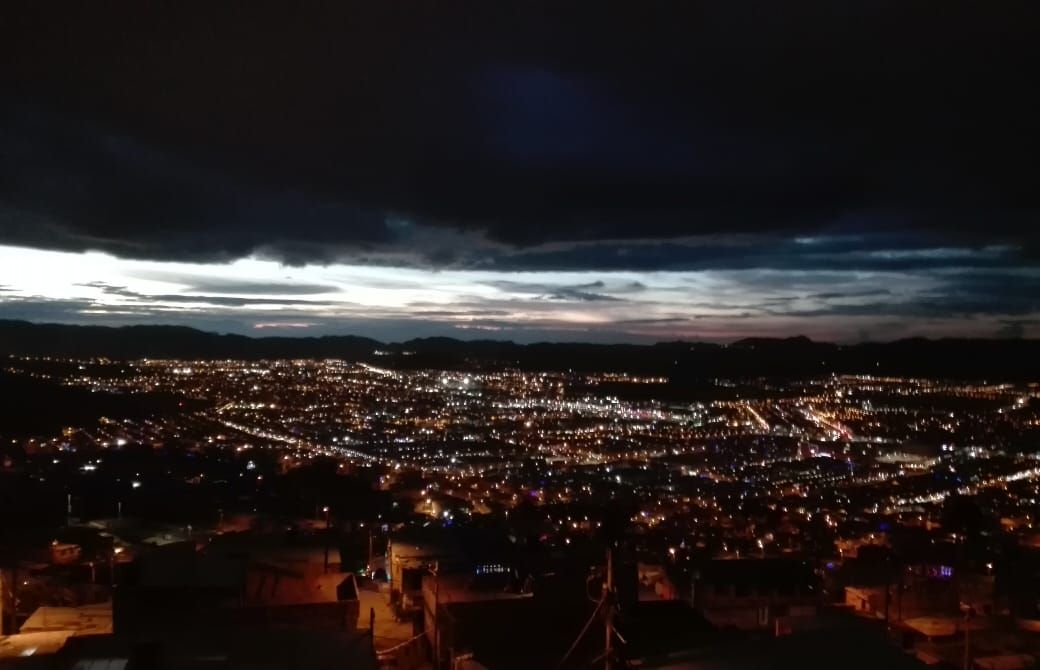
The origins of Cazucá date back to the late 1980s, when the M-19 guerrilla group began its demobilization process; many of its former members started their reintegration into civilian life in this area, so their only concern was finding a place to live, even if it meant living among trash. Many of the houses you see there are still made of tin and cardboard.
It’s evident even in broad daylight how small-scale drug trafficking operates; on every corner there’s a dealer waiting to sell his “bichas,” and at any time of day a van drives by to collect the day’s proceeds. Every weekend there are at least four deaths, according to a police deputy superintendent with whom we were able to speak and learn firsthand about the situation. As incredible as it may seem, the main motive for murder is the possession of very expensive baseball caps because that’s what’s in fashion there; in fact, many criminals would rather spend the night at the police station than hand over their cap—they spend as much as $400,000 on a single baseball cap. Unbelievable.
Gang clashes are the only reality most young people know, which is why the issue of invisible boundaries is as evident as drugs and violence. There are very few parks where people can go to relax, which is why the population’s initial concern was simply to find a place to live—and that’s it.
Not everything is bad. Just as everything has its good and bad sides, I’ve decided to give Cazucá an important place in my heart because of the good things.
The town’s reputation is clearly shaped by the bad things, but its residents aren’t to blame for all that negativity. Many outsiders have their own interests there; if the drug trade weren’t so lucrative, the government would have resolved all those problems—and everything that stems from them—a long time ago. You have to go there to realize that it isn’t that difficult to improve their lives, but there’s no interest in fixing the problem. That’s more than evident.
As I said at the beginning, I went on behalf of my university as part of a small 10-person delegation to support the work the parish has been carrying out lately. I visited many homes, spoke with many people, gave talks, played with the children, and helped out at Masses, and at no point did I notice a resentful, depressed, or negative attitude.
Every day we went for breakfast and lunch at the home of a woman named Gladys, who is absolutely lovely. In the mornings, we’d go out to visit homes on behalf of the parish, accompanied by another woman named Genoveva, who is also a wonderful person. They gave us plenty of red wine and little snacks to go with it wherever we went to visit. In the afternoons, we offered talks and recreational activities for children, teenagers, and adults. I can’t complain about all the warmth I received, all the delicious food I ate, or all the smiles and hugs I was given.
Anyone I told that I was going there on a mission thought it was crazy—especially since it was for six days—but I don’t regret a thing; I had a great time. Plus, I was able to see the true reality there with my own eyes, and yes, things are bad, but the bonds and relationships between people are of a higher quality than those among people living in higher social strata and with greater financial means.
There’s a great deal of intellectual and artistic talent among the young people of Cazucá; it’s a shame that no one wants to take on the monster of drugs because, if it weren’t for that tremendous problem and its deep-rooted effects, the area could produce scientists, poets, writers, musicians, athletes, and many other valuable roles that a society can offer. Unfortunately, not even the government has enough interest in trying to keep people off the streets and away from crime.