On November 1, 1998, at 4:45 a.m., approximately 1,500 FARC guerrillas launched an armed assault to seize the city of Mitú; they referred to this operation as “Operation Marquetalia.” It is considered the largest operation ever carried out by that guerrilla group (which has since demobilized).
It is said that for just over 72 hours, this city was under FARC control, as the government was unable to respond quickly—the nearest military unit was some 300 km away (San José del Guaviare), and the only way to access this territory is by air or by river. The guerrillas destroyed the airstrip and did whatever they pleased for as long as they were there. That was the only time a terrorist group has ever taken over a capital city. Without a doubt, it was a very violent episode in Colombian history.
It is not my place in this post to discuss that event. I leave it to the reader to research and learn about the events that took place there on their own, if curiosity piques their interest.
I had the opportunity to visit Mitú from April 12 to 23 of this year—which, if you do the math, came to eleven days. I had those eleven days to get to know the region, the people, the culture, their customs, the cuisine, and much more. I can only say this: Everything is absolutely wonderful; I didn’t want to leave.
Right from the start, you realize that the image you have in your mind is totally different from reality. The stereotypes we usually have about what indigenous people are like are completely out of touch with reality. They aren’t like how they’re portrayed in movies or what we’re taught in school. You can’t blame schools for teaching us incorrectly; very few people have actually been there, so there’s no way to imagine what you haven’t seen. Colombia is a country that is about 40% Amazon rainforest; in other words, almost half of the territory is jungle (and a very dense jungle at that).
Approximately 60 indigenous ethnic groups coexist throughout this region—a figure I still doubt, but it’s something they told me themselves, and there’s no way to contradict someone who knows their own neighborhood. Each ethnic group has its own language and customs, which might lead one to conclude that they are all very different from one another—but that’s not the case. This initial overview suggests that Colombia is a predominantly indigenous country. Someone living in the city can’t begin to imagine the reality.
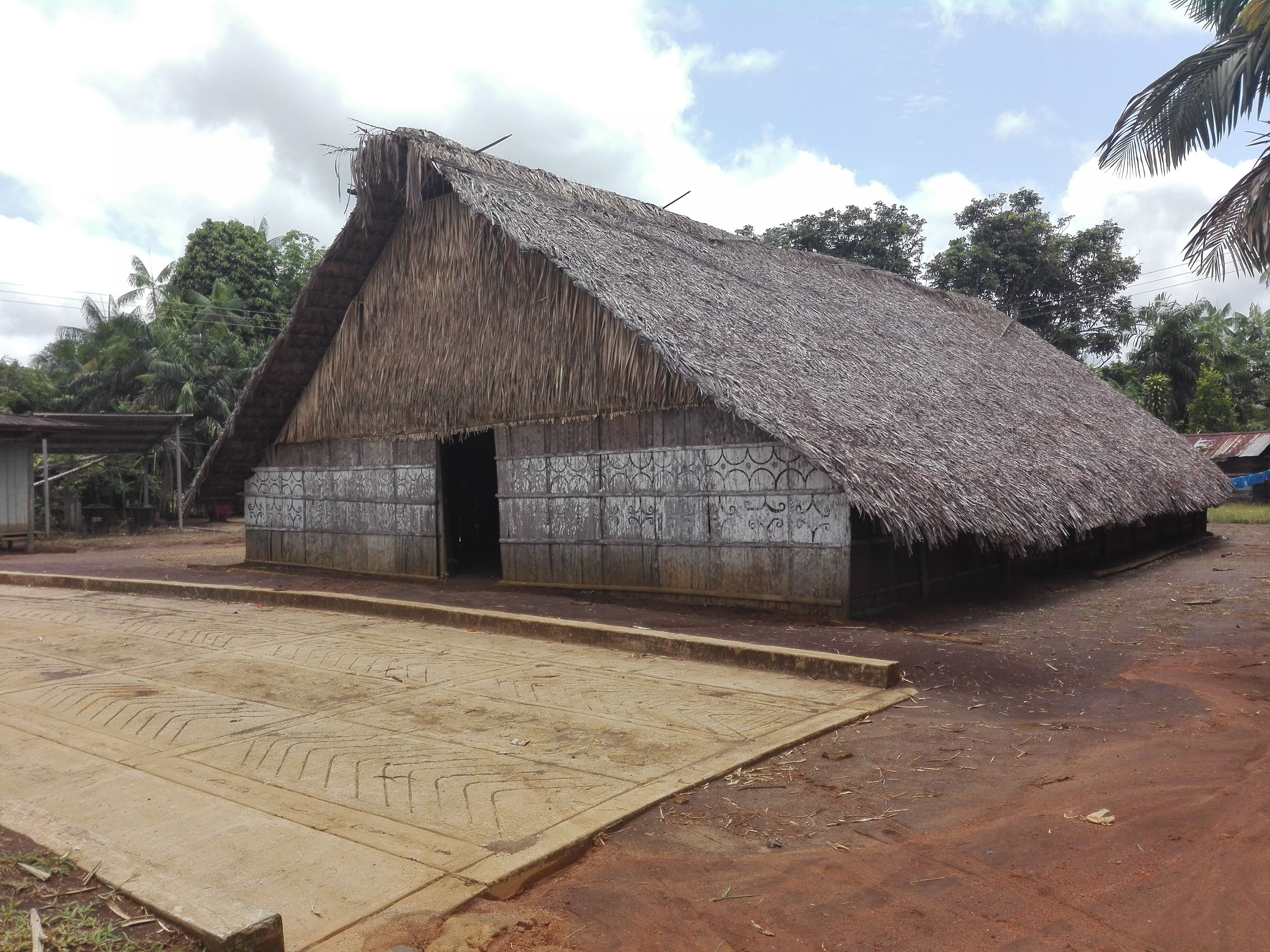
I arrived on a Friday around three in the afternoon; as soon as I stepped off the plane, I was suddenly struck by the humidity in the air. It can rain up to five times a day there (I saw it for myself).
My goal in Mitú was to help with all the Holy Week festivities in the villages of the surrounding indigenous reserves. I was there as a missionary, and as such, my immediate supervisor was the parish priest of the cathedral. In fact, he was the one who met me at the airport along with the head of the regional social ministry; she told me as she greeted me, “We were waiting for your arrival—I was at home waiting for the plane to land.” At first I thought she was being ridiculous, but then I realized it was true; you can hear a plane arriving from anywhere in Mitú. You’re not used to that.
Although Mitú is the “capital city” of Vaupés, the people there still consider it a small town—and that’s because it isn’t very big. You can walk all the way around it in about an hour and a half. Which means the whole town is organized around the airstrip. It’s not like other places where the airport is on the outskirts—and you wouldn’t expect much noise because of that? Well, no. Only one flight arrives in Mitú each day, usually around noon; it picks up passengers and then turns right around and leaves. Flights are sometimes delayed due to bad weather (which is why I arrived when I did).
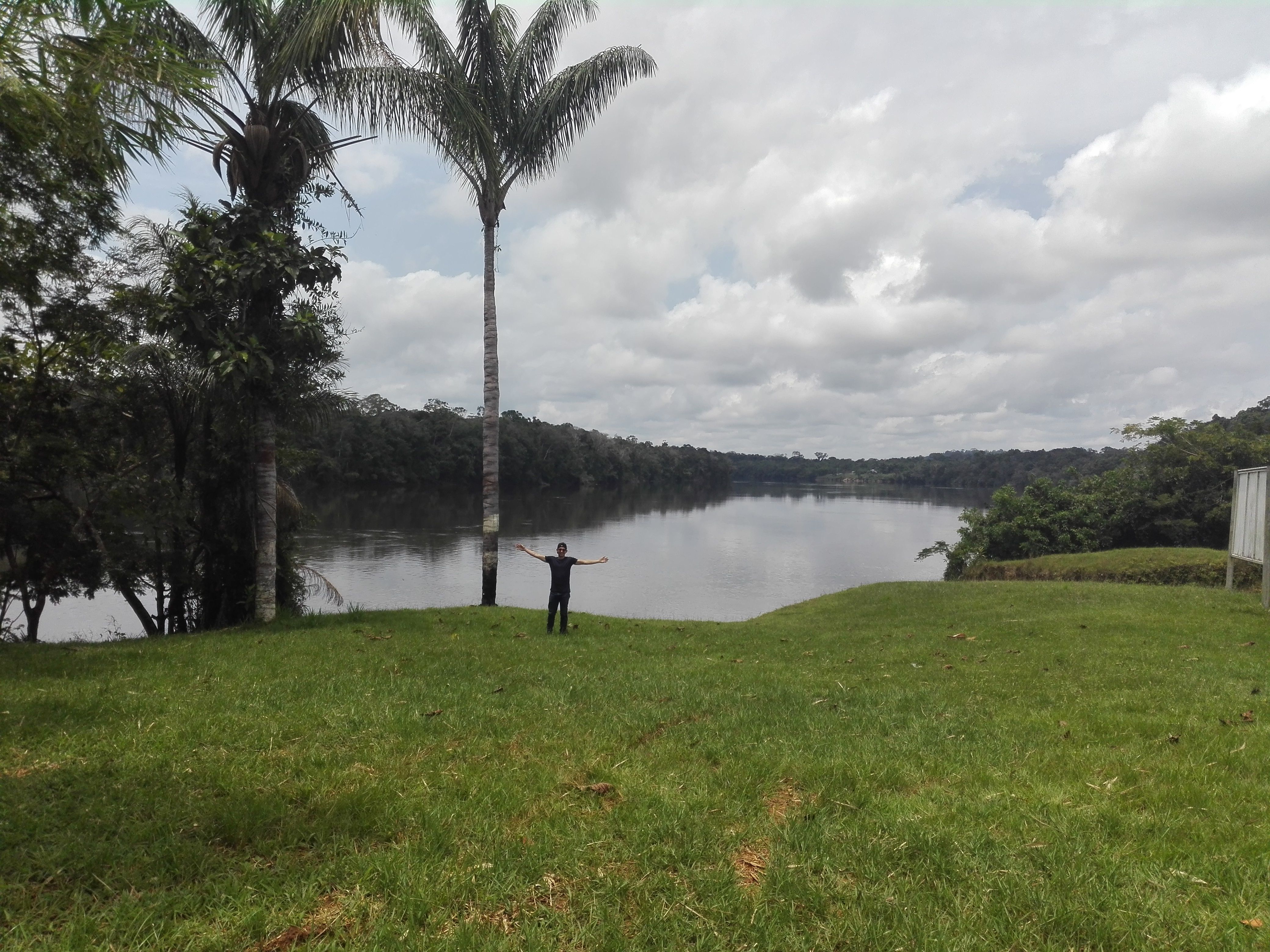
There’s a lot of commerce and people from all over. It was interesting to see so many people from Medellín, even though the population is predominantly Indigenous. As I mentioned before, this goes against common assumptions. You can see a lot of progress and a good quality of life. It also has a port because it’s located on the right bank of the Vaupés River.
I’ve been on other missions before, but this is the first time I’ve gone on one alone, which was a huge challenge. My personal goal on every mission isn’t to evangelize or carry out all the church-related tasks that a missionary usually does; My goal was, on the one hand, to take them out of their comfort zone and provide them with experiences away from their daily routines, but on the other hand, it was to go as an engineer to see how I could help them (in La Guajira, I proposed a digital community center to support their education).
Even though I didn’t know anyone, I made friends very quickly—people in small towns are very sociable. They were always greeting me even without knowing me, and that’s really nice. Recognizing that the person you’re addressing is just as valuable as you are makes sense with a simple “Good morning,” “How are you?”, or “How have you been?” You’re not used to that in the city; of course, the pace of life is totally different—people in the city are always in a rush, rushing from one place to another to keep up with their schedules. Working to pay off debts.